
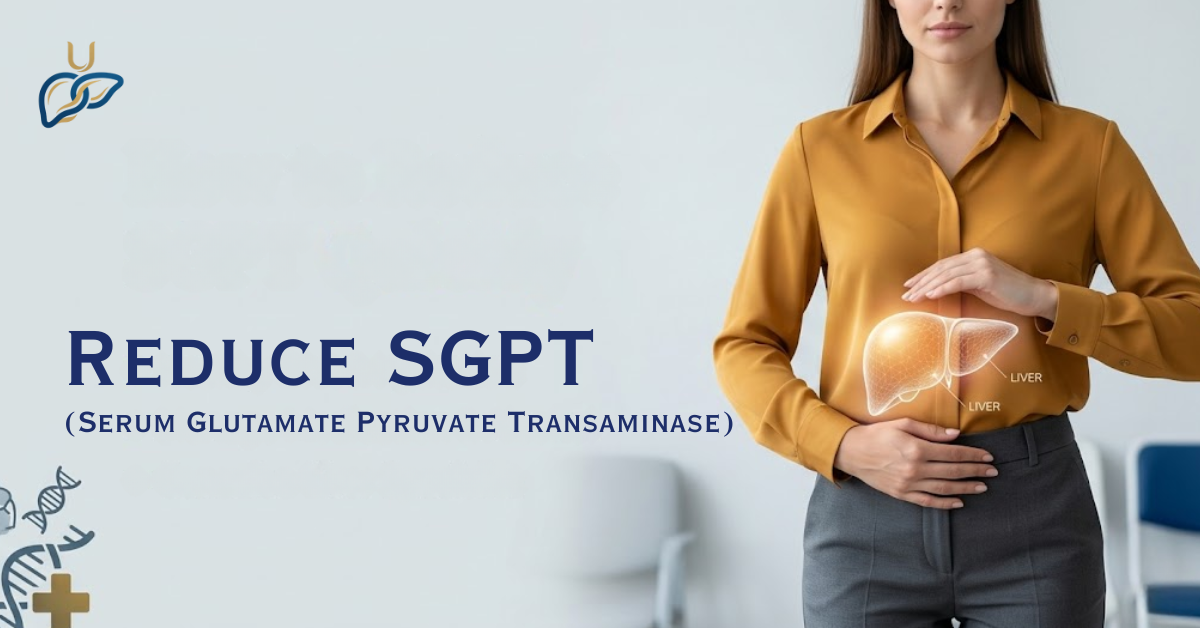
Serum Glutamate Pyruvic Transaminase (SGPT), also known as Alanine Aminotransferase (ALT), is an enzyme primarily found in the liver. When liver cells are damaged or inflamed, SGPT leaks into the bloodstream, resulting in elevated levels in a blood test.
High SGPT levels are often a clinical indicator of conditions like fatty liver, hepatitis, or alcohol-related liver disease. Reducing SGPT quickly requires a combination of dietary discipline, lifestyle modification, and medical intervention.
Adopt a Liver-Friendly Diet
The liver is the primary organ responsible for metabolizing nutrients. To reduce the workload on your liver and lower SGPT:
- Increase Fiber Intake: Consume more whole grains, legumes, and cruciferous vegetables (broccoli, cauliflower). Fiber helps the liver function efficiently and aids in weight management.
- Focus on Vitamin D: Research suggests a correlation between Vitamin D deficiency and liver damage. Incorporate mushrooms, fortified cereals, and soy milk, or spend time in sunlight.
- Switch to Healthy Fats: Replace trans fats and saturated fats with Omega-3 fatty acids found in walnuts, flaxseeds, and fatty fish. These help reduce liver inflammation.
- Avoid Refined Sugars: High fructose intake is a leading cause of Non-Alcoholic Fatty Liver Disease (NAFLD). Cut back on sodas, candies, and processed desserts.
Eliminate Toxins: Alcohol and Smoking
Alcohol is a primary cause of liver inflammation. When the liver breaks down alcohol, it produces toxic chemicals that trigger inflammation and cell death.
- Complete Abstinence: To see a rapid drop in SGPT, it is often necessary to stop alcohol consumption entirely while the liver heals.
- Quit Smoking: Smoking introduces toxins that exacerbate oxidative stress in liver cells, hindering the recovery process.
Regular Physical Activity
Obesity is a major risk factor for elevated liver enzymes. Engaging in at least 150 minutes of moderate-intensity aerobic exercise per week helps:
- Reduce intrahepatic fat (fat stored in the liver).
- Improve insulin sensitivity.
- Burn calories to aid in weight loss, which is the most effective way to lower SGPT in patients with fatty liver.
Hydration and Natural Detoxification
Staying well-hydrated allows the liver to filter toxins more effectively. While “detox drinks” are often marketed without evidence, certain natural substances have shown promise in clinical studies:
- Coffee: Moderate coffee consumption (black, without added sugar) has been linked to lower levels of liver enzymes and a reduced risk of permanent liver damage.
- Green Tea: Rich in antioxidants called catechins, green tea may help improve liver enzyme levels and reduce oxidative stress.
Medical Management and Supplementation
If your SGPT levels are significantly elevated, lifestyle changes alone may not be enough. You should consult a gastroenterologist or hepatologist to identify the underlying cause.
- Identify Infections: High SGPT can be caused by Hepatitis A, B, or C, which require specific antiviral treatments.
- Review Medications: Certain over-the-counter drugs, such as acetaminophen (Tylenol) or statins, can raise SGPT. Always consult your doctor before changing your medication regimen.
- Supplements: Milk Thistle (Silymarin) is often used as a supportive therapy for liver health, though it should only be taken under medical supervision.
When to See a Doctor
While mild elevations in SGPT can sometimes be managed at home, seek immediate medical attention if you experience:
- Jaundice (yellowing of the eyes or skin).
- Persistent abdominal pain or swelling.
- Chronic fatigue or weakness.
- Nausea and vomiting.
Summary Checklist for Lowering SGPT:
Cut Alcohol: The most immediate way to reduce liver stress.
- Lose Weight: Even a 5-10% reduction in body weight can drastically lower ALT levels.
- Eat Clean: Focus on whole foods and eliminate processed sugars.
- Stay Active: Brisk walking or swimming for 30 minutes daily.
- Monitor: Repeat your Liver Function Test (LFT) after 4-6 weeks of lifestyle changes.
Disclaimer: This article is for informational purposes only and does not constitute medical advice. Always consult with a healthcare professional for diagnosis and treatment of liver conditions.